





UAE’s Covert Role in Sudan War: Genocide, Arms Supplies, and Regional Impact
Leaked UN report reveals UAE's involvement in Sudan war through arms supply to RSF politicizing genocide and fueling ongoing humanitarian crisis. Analysis on regional impact included.
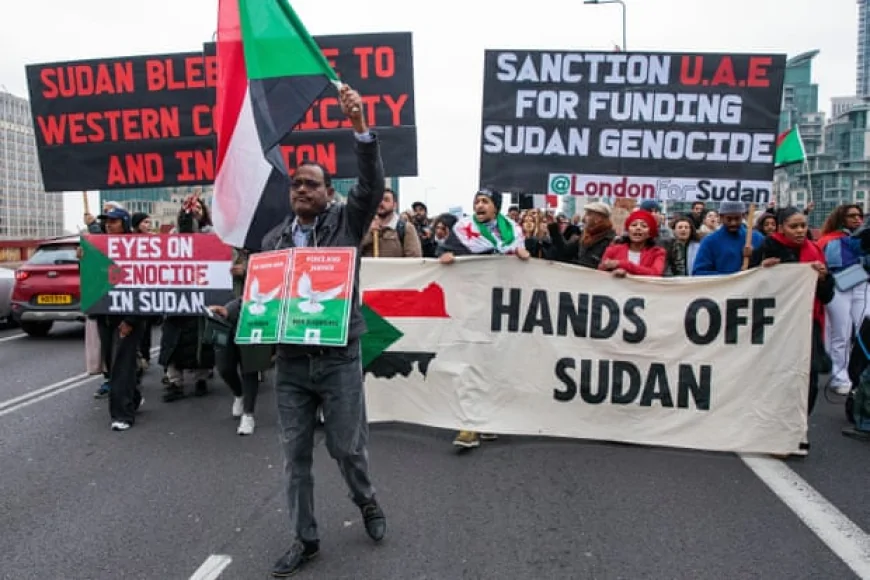
Leaked UN Report Reveals UAE’s Covert Role in Sudan’s Genocide and War
Newly leaked findings by UN experts and investigative media have exposed the United Arab Emirates (UAE) as a significant covert player in Sudan's ongoing civil war and genocide. The report raises alarming concerns over the UAE’s sustained arms supply and strategic support to Sudan’s Rapid Support Forces (RSF), a paramilitary group implicated in systematic mass atrocities across Darfur and other conflict zones.
UAE’s Military Support to RSF: Fuelling a Deadly Conflict
Despite international arms embargoes and calls for peace, evidence detailed in the leaked UN report shows that the UAE has supplied advanced weaponry to RSF fighters. These include Chinese-made drones equipped for lethal bombing, armored vehicles, and other military hardware that have drastically increased the RSF’s capacity for violence and ethnic cleansing.
Moreover, intelligence recovered from Sudan's capital suggests active involvement of UAE nationals operating as agents coordinating with RSF leadership. This has enhanced RSF’s operational reach, enabling rapid, indiscriminate attacks on civilians and infrastructure.
Geopolitical Interests Behind UAE’s Actions
The UAE’s involvement extends beyond military support. The country holds considerable economic interests in Sudan, including control over gold mining operations and strategic influence over key Red Sea maritime routes. Supporting the RSF acts as a proxy mechanism for securing these assets and expanding UAE influence across the Horn of Africa.
This aligns with a broader regional strategy to counter democratic civilian movements within Sudan and to maintain authoritarian-aligned governance, often by militarizing conflict zones further.
Humanitarian Crisis Deepens Amid War
The humanitarian toll of this conflict is staggering. Over 12 million people have been displaced since fighting erupted in April 2023, creating the largest and fastest-growing displacement crisis worldwide.
Cholera outbreaks, famine risk, and destroyed health infrastructure aggravate the suffering, with over 60,000 cholera cases and thousands of deaths reported in 2024 and 2025 alone. The siege and violence in urban centers like El Fasher have resulted in thousands of civilian deaths, including massacres of entire communities.
International Responses and Ongoing Challenges
While the UAE officially calls for ceasefire and a peaceful transition, UN investigations and human rights organizations condemn its covert military backing of RSF as complicity in genocide. Calls have intensified for strict enforcement of arms embargoes and international accountability.
Regional actors and global powers remain divided, while millions suffer the brunt of this proxy conflict and geopolitical powerplays.
Broader Implications: Forced Migration and Regional Destabilization
This conflict fuels displacement not only within Sudan but also pressures neighboring countries such as South Sudan and Egypt, which are reportedly involved indirectly in migration plans for Palestinians expelled from Gaza. Such population transfers risk exposing displaced civilians to further violence and hardship in an already fragile region.
Conclusion
The leaked UN expert report underscores the urgency of re-examining the role of external actors like the UAE in Sudan’s ongoing genocide and conflict. Transparent investigations, enforcement of international law, and urgent humanitarian intervention are pivotal to halting atrocities and ameliorating the crisis affecting millions of innocent civilians.
References
- The Guardian: Leaked UN experts report raises fresh concerns over UAE’s role in Sudan war
- Amnesty International: Sudan – Constant flow of arms fueling relentless civilian suffering
- Reuters: UAE calls for ceasefire and civilian transition in Sudan
- BBC: Sudan war – A simple guide to what is happening
- DW: Foreign powers in Sudan war
- Middle East Monitor: UAE arms prolong Sudan’s genocide, say US officials